
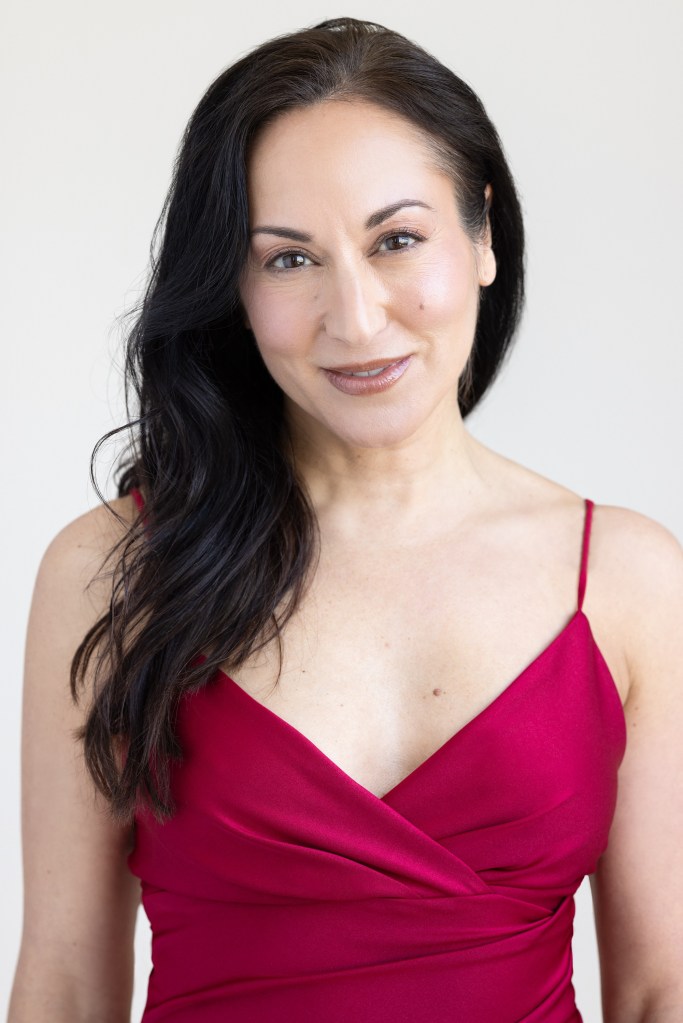
Saviez-vous que cette petite glande en forme de papillon logée dans votre cou pouvait jouer un rôle crucial dans votre bien-être, surtout après 50 ans ? Eh oui, la thyroïde, bien que discrète, influence énormément notre métabolisme, notre énergie et bien plus encore. Découvrons pourquoi il est important de surveiller de près cette alliée essentielle.
Mon histoire avec la thyroïde a commencé lorsque, lors d’une échographie de routine, un nodule a été découvert. Cette nouvelle m’a bien sûr inquiété, et mon médecin a recommandé une biopsie. Heureusement, le nodule s’est révélé non cancéreux. C’est par la suite qu’on m’a diagnostiqué une hypothyroïdie. Cela expliquait bien des choses : ma fatigue persistante, mon manque d’endurance, et même le syndrome de Raynaud dont je souffrais, où mes doigts devenaient froids et blanchissaient dès qu’il faisait frais.
Mon médecin m’a prescrit Cytomel, une forme de T3, pour soutenir ma thyroïde. Nous avons commencé avec une petite dose, qui a été ajustée progressivement. Ce traitement, accompagné de changements dans mon mode de vie, a fait une énorme différence. Mon énergie est revenue, et mon nodule a même rétréci avec le temps.
La thyroïde produit deux hormones principales : la T3 (triiodothyronine) et la T4 (thyroxine), qui influencent le métabolisme, la température corporelle et bien d’autres fonctions. Ces hormones sont régulées par le TSH, une hormone produite par l’hypophyse. Mais ce n’est pas tout : ces hormones interagissent également avec d’autres comme l’œstrogène, la progestérone et la testostérone. Un déséquilibre thyroïdien peut ainsi perturber l’équilibre global du corps.
Pour soutenir ma thyroïde, j’ai intégré des aliments riches en sélénium dans mon alimentation. Ce puissant oligo-élément, que l’on trouve dans les noix du Brésil, les poissons, les fruits de mer, les œufs et les céréales complètes, joue un rôle essentiel dans le fonctionnement thyroïdien.
L’hypothyroïdie et l’hyperthyroïdie sont comme les deux faces d’une même médaille. La première ralentit tout : on se sent épuisée, on peut prendre du poids et manquer d’entrain. La seconde, à l’inverse, accélère tout, causant agitation et perte de poids. Trouver l’équilibre est essentiel, et un suivi médical régulier est la clé.
Prendre soin de ma thyroïde a transformé mon bien-être. Avec un suivi attentif, une alimentation adaptée, de l’eau en quantité suffisante et des nuits de sommeil régulier, je me sens aujourd’hui mieux armée pour affronter les défis de la vie. Et surtout, je tiens à rappeler que la santé de notre thyroïde mérite toute notre attention, car elle est bien plus qu’une simple glande.
Did you know that this small butterfly-shaped gland in your neck plays a crucial role in your well-being, especially after fifty? Yes, the thyroid, although discreet, has a massive influence on our metabolism, energy levels, and much more. Let’s explore why keeping a close eye on this essential ally is so important.
My journey with the thyroid began during a routine ultrasound when a nodule was discovered. Naturally, this news worried me, and my doctor recommended a biopsy. Thankfully, the nodule turned out to be non-cancerous. Shortly after, I was diagnosed with hypothyroidism. It explained so much: my persistent fatigue, lack of stamina, and even my struggle with Raynaud’s syndrome, where my fingers would turn cold and pale at the slightest chill.
My doctor prescribed Cytomel, a form of T3, to support my thyroid. We started with a small dose, which was gradually adjusted. This treatment, along with lifestyle changes, made a huge difference. My energy returned, and over time, the nodule even shrank.
The thyroid produces two main hormones: T3 (triiodothyronine) and T4 (thyroxine), which regulate metabolism, body temperature, and many other functions. These hormones are controlled by TSH, a hormone produced by the pituitary gland. But that’s not all—thyroid hormones also interact with others, such as estrogen, progesterone, and testosterone. A thyroid imbalance can disrupt the body’s overall hormonal harmony.
To support my thyroid, I incorporated selenium-rich foods into my diet. This powerful trace mineral, found in Brazil nuts, fish, seafood, eggs, and whole grains, plays a vital role in thyroid function.
Hypothyroidism and hyperthyroidism are like two sides of the same coin. The former slows everything down: you feel exhausted, may gain weight, and lack motivation. The latter speeds everything up, causing restlessness and weight loss. Striking the right balance is essential, and regular medical check-ups are key.
Taking care of my thyroid has transformed my well-being. With careful monitoring, a balanced diet, plenty of water, and regular, restful sleep, I now feel better equipped to tackle life’s challenges. And most importantly, I want to remind everyone that our thyroid’s health deserves attention—it’s much more than just a small gland.
 Fifty and Fabulous
Votre commentaire